
🏢Boutique condo developments likely to have more construction quality defects: BCA
Thinking of buying a charming, exclusive boutique condo in Singapore? Before you sign the dotted line, there is a crucial new update from the Building and Construction Authority (BCA) that every homebuyer needs to know.
A recent study highlighted by The Straits Times shows that smaller, "boutique" developments are statistically much more likely to suffer from construction and workmanship defects compared to larger projects.
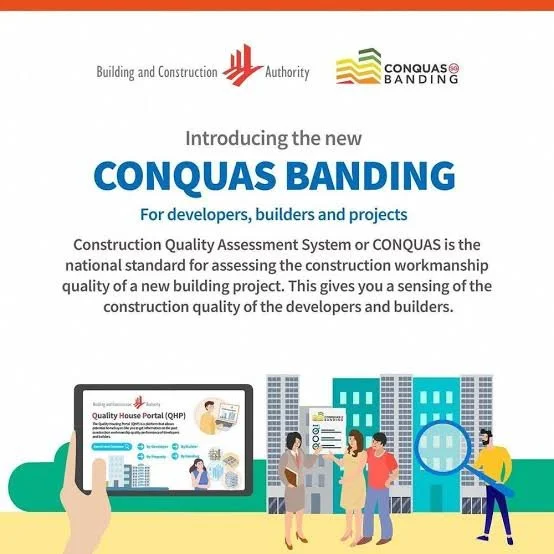
Here is a quick, easy-to-digest breakdown of what the BCA data reveals, why this happens, and how it impacts your property journey.
🚨 The Hard Numbers: What BCA Found
Over 58% of low-rated projects for construction workmanship over the past six years were small boutique condos (developments with fewer than 50 units).
The Banding System: BCA ranks projects from Band 1 (best, fewest defects) to Band 6 (worst). Out of 167 projects assessed, 48 ended up in the lowest categories (Bands 4 to 6). A staggering 28 of those underperforming projects were boutique condos.
Defect Probability: To put it into perspective, a Band 1 developer sees fewer than 1 out of every 1,000 units reporting major defects after getting their Temporary Occupation Permit (TOP). For a Band 6 developer, that number jumps to 80 out of every 1,000 units.
Luxury Doesn't Mean Defect-Free: Several developments marketed as premium, upscale, or luxury properties in prime districts actually landed in the lower Band 4 and Band 5 brackets.
🏗️ Why Do Boutique Condos Have More Defects?
According to real estate experts, the difference boils down to how these projects are constructed:
Less Prefabrication: Large developments heavily utilize precast or prefabricated systems (like building entire bathroom units in a factory under strict quality controls before assembling them on-site). Boutique developments rarely use this due to scale economies.
Weather Exposure: Because small projects rely mostly on traditional on-site construction (pouring concrete, setting up structures from scratch outdoors), they are highly vulnerable to Singapore’s heavy rain and intense humidity, which compromises finishing quality.
Contractor Tier Differences: Massive mega-developments naturally attract top-tier, highly mechanized main contractors with veteran workforces. Smaller boutique builds often work with smaller, less mechanized contractors.
⚖️ The New Government Crackdown
To protect buyers, the government implemented the Land Sales Disqualification Framework. Moving forward, developers who deliver projects with severe safety non-compliances, or those who show a track record of major defects across consecutive projects, can be banned from participating in Government Land Sales (GLS) for up to 5 years.
💡 Move Beyond the Basics: Look at the Bigger Picture
Navigating the real estate landscape involves far more than just scrolling through new launches or checking out resale viewing schedules. True property success comes down to risk mitigation, long-term asset structural health, and strategic asset planning.
If you want a partner who looks beyond the glossy marketing brochures to analyze the technical viability, risk profile, and future capital preservation of your portfolio, let's talk.
Connect with Edmund Lim for specialized expertise in:
Risk & Defect Mitigation Analysis: Evaluating developer and builder track records before you commit capital.
Strategic Property Asset Restructuring: Optimizing your current real estate portfolio to maximize yields and minimize capital exposure.
Macro Market Trend & Policy Advisory: Understanding how framework changes (like the Land Sales Disqualification rule) impact land values and developer health.
Legacy & Wealth Preservation Planning: Structuring property holdings safely for future generations.
.